How Ventura Clinics Use Technology in Periodontal Treatment

Gum disease rarely announces itself with drama. Most people first notice a little bleeding in the sink, a bad taste that lingers, or a tooth that suddenly feels different when they bite down. By the time those signs become hard to ignore, the underlying problem may have been building for months or years. That reality has changed the way many dental practices approach periodontal care, especially in communities like Ventura, where patients often expect treatment to be precise, efficient, and easier to fit into a busy life.
Technology has become central to that shift. Not because every new device improves care, and not because a screen is somehow more trustworthy than a clinician’s hands, but because the right tools help dentists and hygienists see more, measure better, and intervene earlier. In periodontal treatment, that matters. Gum disease is not a single event. It is a process involving inflammation, bacterial biofilm, tissue breakdown, bone loss, and long-term maintenance. Good care depends on tracking subtle changes over time, and technology is well suited to that kind of work.
In Ventura clinics, the most useful advances are often the least flashy. Digital imaging, electronic periodontal charting, intraoral cameras, ultrasonic instruments, and certain laser applications are changing day-to-day treatment in practical ways. They are making diagnosis clearer, patient education easier, and follow-up more consistent. For anyone exploring Periodontal Treatment Ventura options, understanding how these tools are actually used can make the experience less opaque and far less intimidating.
Better diagnosis starts with better visibility
Traditional periodontal exams still matter. A trained clinician probing around each tooth, evaluating bleeding, checking recession, and reading tissue texture can learn a tremendous amount without pressing a single button. But modern clinics no longer have to rely on feel alone.
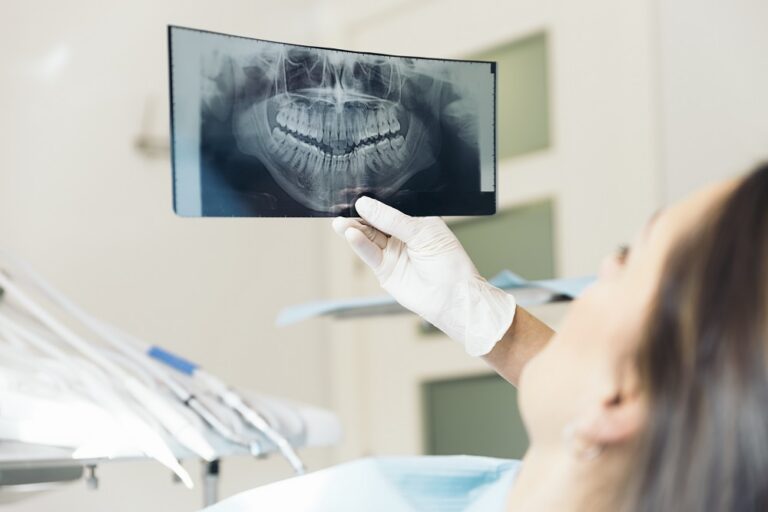
Digital dental radiographs are one of the biggest improvements in routine periodontal diagnosis. They let clinicians assess the level of supporting bone around the teeth, compare changes over time, and spot patterns that are difficult to judge from a visual exam alone. Bone loss from periodontal disease is not always dramatic in the early stages. Sometimes the difference between a stable condition and an active one is measured in millimeters, and those millimeters matter.
The practical benefit is not just image quality. It is speed and comparability. A digital image can be enlarged, adjusted for contrast, stored cleanly in the patient record, and pulled up chairside in seconds. If a patient had radiographs taken a year or two earlier, the dentist can compare them side by side instead of relying on memory or trying to interpret an older film image with variable exposure.
Some Ventura practices also use cone beam computed tomography, or CBCT, when a standard X-ray does not provide enough detail. This is not necessary for every gum patient, and a responsible office will not order it casually. CBCT produces a three-dimensional view that can be especially useful in complex cases, advanced bone loss, furcation involvement around molars, implant planning, or situations where anatomy is difficult to interpret in two dimensions. The trade-off is straightforward: more information, but also higher cost and radiation exposure than a routine dental X-ray series. Good clinicians reserve it for cases where that added detail will actually influence treatment decisions.
That restraint matters. Technology improves care when it answers a real clinical question. It becomes noise when it is used to impress.
Intraoral cameras change the conversation
One of the most underappreciated tools in periodontal care is the intraoral camera. It is simple, fast, and often more persuasive than any explanation a dentist can give.
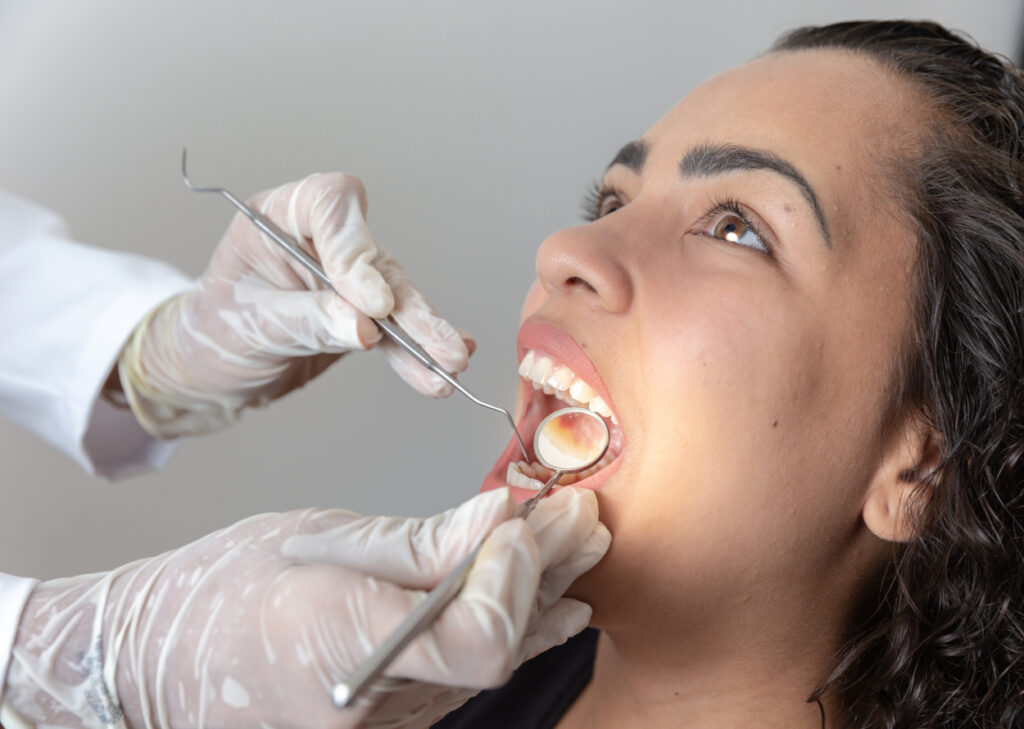
Patients do not spend much time looking closely at the back surfaces of their molars or the tissue margin near a crowned tooth. A camera allows the clinician to show plaque accumulation, gum inflammation, recession, open margins, food traps, or heavy calculus in real time. Once patients see swollen tissue or a deep pocket area next to a tooth, the condition stops feeling abstract.
That has a practical effect on acceptance of treatment. Many patients hear “periodontal disease” and think of a vague dental sales pitch. They are not being difficult. They simply cannot feel bone loss, and mild to moderate gum inflammation is often painless. When the conversation includes a magnified image of bleeding tissue around a restoration or a site where tartar has built up well below the gumline, the discussion becomes concrete.
In my experience, this visual step often changes the tone of the visit. Patients move from skepticism to participation. They ask better questions. They remember the problem area at home. They become more receptive to follow-up maintenance because they understand what is being monitored.
Digital periodontal charting improves consistency
Periodontal charting is not glamorous, but it is one of the foundations of competent care. Pocket depths, bleeding points, recession, furcation involvement, and mobility are the language of gum disease management. When those findings are charted carefully and updated over time, the clinician can tell whether treatment is working, whether disease activity has stabilized, and where risk remains.
Many Ventura clinics now use digital charting systems rather than handwritten records. The advantage is not merely convenience. Electronic charting tends to be easier to read, faster to update, and more reliable for spotting patterns across multiple visits. Some systems also allow voice entry or streamlined chairside input, which can make a full-mouth periodontal exam more efficient without rushing it.
That matters for a simple reason: what gets measured gets managed. If a six-millimeter pocket on the distal of a molar becomes a four at re-evaluation, that is meaningful improvement. If several areas that were stable for years begin bleeding again in a patient who recently changed medications or started clenching heavily, that trend deserves attention. Digital systems support this kind of comparison well.
There is another benefit that patients do not always see. Better charting helps coordination among the general dentist, hygienist, and periodontist. In a well-run office, technology creates continuity. It keeps everyone looking at the same data rather than relying on vague summaries like “the gums looked a little worse this time.”
Ultrasonic instrumentation makes deep cleaning more efficient
Scaling and root planing remains a core part of non-surgical periodontal treatment. The goals are familiar: remove calculus and bacterial deposits below the gumline, disrupt biofilm, reduce inflammation, and create conditions that allow the tissue to heal. Hand instruments still play an important role, particularly for root surface refinement and sites that require tactile precision, but most modern clinics rely heavily on ultrasonic devices as part of the process.
These instruments use high-frequency vibration, along with water irrigation, to break up deposits and flush debris from the pocket. In practical terms, they often make treatment faster and more comfortable, especially in moderate to heavy buildup cases. They can also improve access in certain areas where bulky calculus is difficult to remove by hand alone.
The benefit for periodontal care is not only speed. Ultrasonic scaling can be effective at disrupting the microbial environment that drives disease. For a patient with generalized inflammation and multiple deep pockets, that can make a substantial difference in tissue response during healing.
Still, there are trade-offs. Some patients dislike the sensation or the sound. Others have root sensitivity, which may require adjustment in power settings, topical anesthetic, or a more blended approach with hand scaling. Technology does not replace clinical judgment here. A thoughtful hygienist or periodontist adjusts technique to the patient in the chair, not to the brochure description of the instrument.
Lasers have a role, but not every case needs one
Few technologies in dentistry generate more marketing than lasers. They are useful in some periodontal settings, but the reality is more nuanced than advertisements suggest.
In Ventura clinics that use dental lasers responsibly, they are often part of a broader periodontal protocol rather than a stand-alone answer. Depending on the type of laser and the case selection, clinicians may use them to reduce bacterial load in pockets, remove diseased soft tissue, manage inflamed areas more conservatively, or improve comfort in certain procedures. Some patients appreciate the possibility of less bleeding during soft tissue treatment and a gentler postoperative experience in selected cases.
The key phrase is selected cases. Laser therapy is not a substitute for proper diagnosis, meticulous debridement, or long-term maintenance. It also does not reverse advanced bone loss by itself. A patient with severe periodontitis, heavy calculus, uncontrolled diabetes, and inconsistent home care will not be rescued by a laser appointment. The fundamentals still govern the outcome.
Where lasers can shine is in thoughtful integration. For example, a patient with localized persistent inflammation around a few sites, despite otherwise good maintenance, may benefit from a targeted adjunctive approach. Another patient with cosmetic concerns about excess tissue or tenderness during traditional soft tissue management may find laser-based treatment easier to tolerate. Used this way, the technology serves the case rather than defining it.
Saliva, bacteria, and risk assessment
Some periodontal practices are incorporating microbiological or salivary testing into diagnosis and treatment planning. This area is promising, though not every clinic uses it routinely and not every case requires it. The appeal is easy to understand. Periodontal disease is driven by complex bacterial communities and the body’s inflammatory response, so testing that offers more insight into those factors could support better personalization.
In practice, these tests may help in recurrent disease, aggressive patterns, unusual treatment resistance, or medically complicated cases. They can sometimes guide decisions about adjunctive antimicrobial strategies or clarify whether a patient’s risk profile appears higher than their clinical appearance alone would suggest.
That said, these tools should be interpreted carefully. They are not magic windows into the future. A high-risk bacterial profile does not guarantee rapid progression, and a lower-risk profile does not cancel out poor oral hygiene, smoking, or missed maintenance. Most experienced clinicians treat them as one source of information among many. The periodontal probe, the radiograph, the tissue response, and the patient’s actual behavior still carry enormous weight.
Technology helps patients understand maintenance, not just treatment
One of the hardest conversations in periodontal care comes after the initial improvement. Bleeding is down, pockets are shallower, and the patient feels relieved. At that point, it is tempting to think the problem is fixed in the same way a cavity is filled and finished. Gum disease does not work that way.
Maintenance is where technology becomes especially valuable. Ventura clinics increasingly use digital recall systems, periodontal charting comparisons, and chairside imaging to show patients that stability is something earned over time. When a clinician can pull up a chart and say, “These four sites have remained stable for three visits, but this molar is starting to deepen again,” the maintenance visit feels purposeful instead of routine.
That specificity improves compliance. Patients are more likely to keep periodontal maintenance appointments when they understand that the visit is not just a cleaning. It is surveillance. It is targeted disruption of bacterial recolonization in areas they cannot maintain perfectly at home. It is early intervention before a small setback becomes a bigger problem.
For patients with implants, this kind of monitoring is equally important. Implant tissues can develop inflammation and bone loss too. Technology that helps identify early peri-implant changes can preserve work that was both clinically significant and financially substantial.
Home care technology is part of the clinical picture
When people think about dental technology, they usually picture equipment inside the office. But home care tools now influence periodontal outcomes enough that clinicians pay close attention to them.
Power toothbrushes with pressure sensors, water flossers, interdental cleaning devices, and app-connected brushing systems can all support better plaque control. These tools do not replace professional treatment, yet they often make a measurable difference, particularly for patients with dexterity issues, orthodontic appliances, bridges, implants, or wider spaces between teeth.
What good Ventura clinics do well is match the tool to the person. A patient with excellent motivation but poor technique may benefit from a powered brush with feedback. Someone with tight contacts and healthy dexterity may do very well with floss and interdental brushes. A patient recovering from periodontal therapy around posterior implants may find a water flosser more sustainable than string floss in hard-to-reach areas.
The mistake is assuming the most expensive gadget produces the best result. It rarely works that way. The best home-care technology is the one the patient will use correctly, consistently, and without frustration.
Comfort technology matters more than many patients expect
Periodontal treatment has a reputation problem. Many adults still carry memories of old-style deep cleanings that felt rough, prolonged, or poorly explained. Modern technology has improved comfort in ways that genuinely matter.
Topical anesthetics are better than they used to be. Local delivery systems can be more precise. Some offices use vibration-based comfort aids or buffered anesthetics to reduce injection sting. Ultrasonic instrumentation often shortens heavy debridement time. Laser applications, in selected soft tissue cases, may reduce bleeding and postoperative soreness. Digital scheduling and treatment planning tools also help by breaking care into manageable visits instead of attempting too much in one sitting.
Comfort is not a luxury in periodontal care. It affects whether patients return, whether they complete treatment, and whether they keep maintenance visits. A technically excellent plan fails if the patient dreads every step enough to delay it.
The human factor still decides whether technology helps
The best periodontal clinics in Ventura do not use technology as theater. They use it to answer practical questions.
Is there active bone loss or old stable loss?
Are these pockets inflamed because of retained calculus, https://rylanouof964.iamarrows.com/periodontal-treatment-ventura-for-a-healthier-brighter-smile anatomy, overhanging dental work, clenching, poor home care, or a combination?
Would this patient benefit from non-surgical therapy first, or does the pattern suggest referral to a periodontist now?
Can this area be maintained predictably, or is it likely to relapse without surgical access?
Technology sharpens those decisions, but it does not make them automatically. A blurry treatment philosophy wrapped around expensive tools is still a blurry treatment philosophy. On the other hand, a disciplined clinician with good data can do excellent work and communicate it clearly.
That is why patients looking for Periodontal Treatment Ventura services should pay attention not only to which devices a clinic advertises, but also to how the team explains them. If the office can tell you why a particular image is needed, what the chart numbers mean, how success will be measured, and what your role is between visits, that is a good sign. If the conversation relies mostly on buzzwords and vague promises, caution is warranted.
What this means for patients choosing care in Ventura
Ventura has a mix of long-established dental practices, specialty offices, and newer clinics that have invested heavily in digital workflows. From a patient perspective, that can be an advantage. There is a good chance of finding a provider who combines modern diagnostics with a measured, evidence-aware treatment style.
The strongest periodontal care usually shares a few characteristics. Diagnosis is thorough. Imaging is used thoughtfully. Findings are shown and explained, not simply announced. Treatment is customized to disease severity, anatomy, and patient habits. Maintenance is treated as essential, not optional. And technology is used to make care clearer and more predictable, not just more marketable.
Gum disease is common, but the way it is managed has become far more precise than it once was. Ventura clinics that embrace the right technology are often catching problems earlier, treating them more comfortably, and tracking results with greater accuracy. For patients, that can mean fewer surprises, more confidence in the plan, and a better chance of keeping natural teeth healthy for the long term.
Avra Dental
Address: 1708 S Victoria Ave B, Ventura, CA 93003
Phone number: (805) 941-1001
FAQ About Periodontal Treatment Ventura
Can a dentist get rid of periodontal disease?
A dentist or gum specialist (periodontist) cannot fully cure or reverse advanced periodontal disease (periodontitis), but they can successfully stop its progression and manage the infection.
Is periodontitis very serious?
Yes, periodontitis is a very serious, advanced form of gum disease that destroys the bone and tissues supporting your teeth.
How is stage 2 periodontal disease treated?
Stage 2 periodontal disease (early to moderate periodontitis) is primarily treated with non-surgical deep cleaning procedures like scaling and root planing to remove bacteria and tartar below the gumline.